The Unrepresented Nations and Peoples Organization (UNPO) has expressed deep concern over the deteriorating human rights situation in Gilgit-Baltistan.
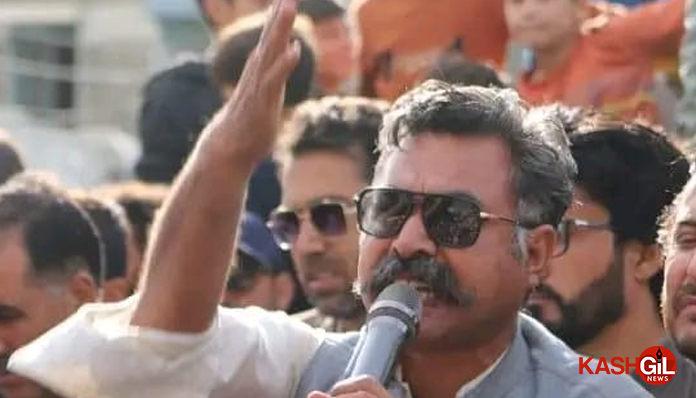
The statement expressed grave concerns over reports that political leader and head of the Gilgit-Baltistan United Movement, Shabir Mayar, has been denied immediate and essential medical treatment.
The statement said that UNPO calls on the Pakistani authorities to provide Shabir Hussain Mayar with full medical care without delay and to ensure the enjoyment of basic human rights in the region.
Gilgit-Baltistan, a vast mountainous region with a population of about two million, has been under Pakistani administration since 1947 but still lacks constitutional status. Due to this lack of recognition, the local population is not only deprived of political representation but also faces continuous restrictions on fundamental rights such as freedom of expression, assembly and political participation.
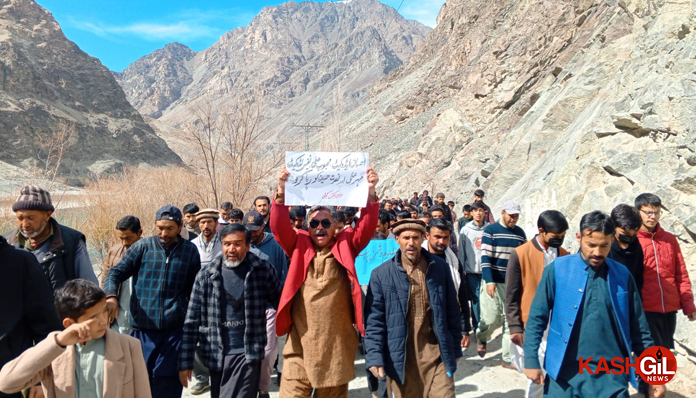
Long-standing political deprivation and lack of representation in the region have fueled public unrest. In recent months, severe power shortages have disrupted water supplies, leading to women-led protests. Meanwhile, at least fourteen people have reportedly been killed in security forces’ alleged firing on protests in the region following US strikes in Iran, leading to a three-day curfew and local communication blackouts.
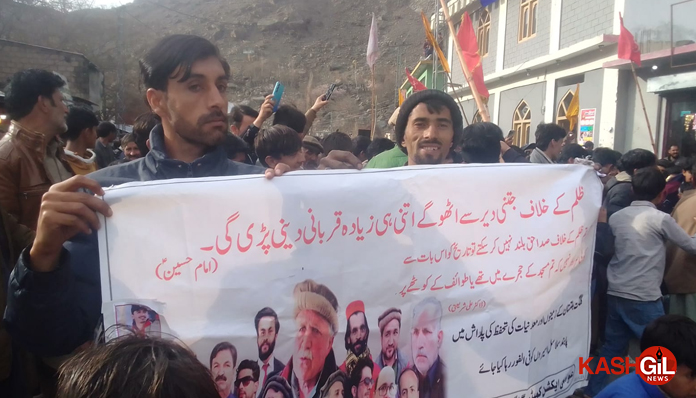
Against this backdrop, the case of Shabbir Hussain Mayar further highlights serious human rights concerns. Mayar was arrested in October 2023 while leading a protest demanding the release of activists from the Awami Action Committee. He was charged under Pakistan’s Anti-Terrorism Act (ATA)—a law that has often been criticized for its use against political activists and critics. Mayar faces constant surveillance, movement restrictions, and prolonged detention, while suffering from a serious illness and in urgent need of specialized medical care.
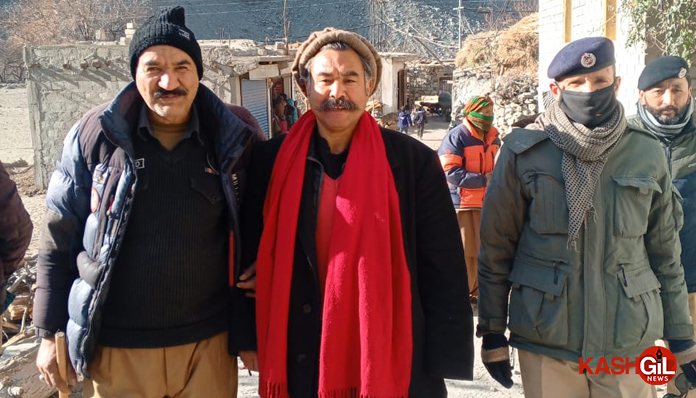
Similarly, the recent arrest of senior lawyer and head of the Public Action Committee, Ehsan Ali, has also raised questions about the use of anti-terrorism laws in the region. His arrest has been met with strong protests by the legal community, which has affected court proceedings. There are also serious concerns about Ehsan Ali’s health, and his lawyers have filed an application for immediate medical care.
Depriving detainees of essential medical treatment is a serious violation of international human rights standards, including the fundamental obligations to protect the right to health and human dignity. This situation also reflects the broader treatment of political activists in Pakistan. In recent months, Amnesty International has also expressed concern about the deteriorating health and lack of access to medical facilities for several Baloch activists, while international media have also reported concerns about the health of former Prime Minister Imran Khan.
Gilgit-Baltistan’s human rights problems are not limited to political ones. The region is rich in natural resources, and the growing trend of tourism has added to environmental pressures. Large-scale development projects, especially those linked to the China-Pakistan Economic Corridor (CPEC), are creating problems such as land acquisition, economic deprivation and environmental threats for the local population. The Diamer-Bhasha Dam is a prominent example, which has been the subject of ongoing protests over environmental impacts, land acquisition and security concerns.
Similarly, despite the increase in Pak-China trade through the Khunjerab Pass, local traders say that the benefits of this economic activity are not reaching the region, while the environmental and social burden is being borne by the local population.
Due to the lack of constitutional recognition and political representation, the people of Gilgit-Baltistan have limited means of protecting their rights and participating in decision-making. Ensuring the right to self-determination, political representation and respect for fundamental human rights is essential for lasting stability and justice in the region.
UNPO calls on the Government of Pakistan to provide immediate and unhindered medical care to Shabir Hussain Mayar. The fundamental rights of freedom of expression, assembly and political participation in Gilgit-Baltistan must be respected. The use of anti-terrorism laws against peaceful political activists must be stopped immediately.
Share this content: