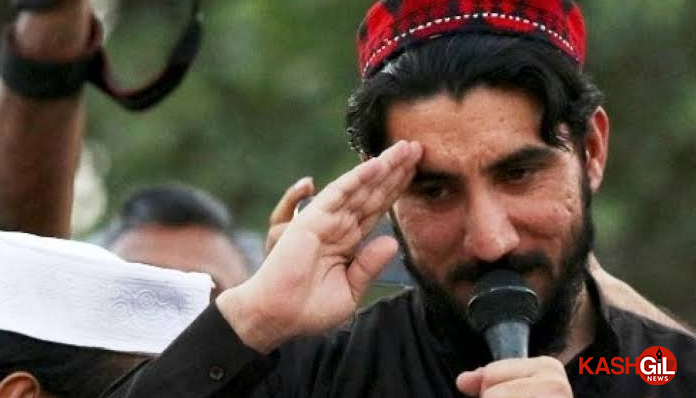
The central Information and Publicity Department of the Pashtun Tahafuz Movement (PTM) has issued a significant official statement, strongly condemning the state oppression, violence, arrests, and severe bloodshed directed against the ongoing public movement—led by the Awami Action Committee—as well as its activists and ordinary citizens in Pakistan-administered Jammu and Kashmir.
The PTM clarified that this movement by the Kashmiri people is not merely confined to issues like electricity bills, the price of flour, or a few administrative demands; rather, it is a fundamental struggle for their political, economic, and democratic rights, control over their own natural resources, and genuine popular governance on their own land. The manner in which the Awami Action Committee has united ordinary citizens, traders, lawyers, and the youth across the entire region onto a common public platform marks a historic development in the region’s politics—demonstrating that the people are no longer willing to accept exploitation or decisions imposed upon them.
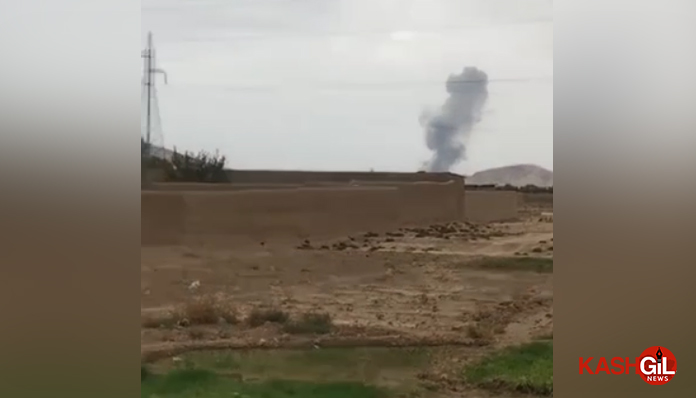
A PTM spokesperson stated that, instead of engaging in dialogue, the state responded to this public awakening and the associated demands with brute force, arrests, and the savage deployment of the state apparatus. The killing of dozens of innocent Kashmiris during the protests in June 2026, the firing upon demonstrators, and the imposition of communication blackouts have exposed the hollowness of the state’s claims regarding its commitment to democracy. The statement further expressed deep concern over the designation of the Awami Action Committee as a proscribed organization under the Anti-Terrorism Act (ATA), the placement of its activists on the ‘Fourth Schedule,’ and the framing of legitimate political activities as a ‘security threat.’ The statement points out that the fact that six United Nations human rights experts have sought a response from the Government of Pakistan regarding the ban on the Awami Action Committee, the killing of protesters, arrests, and various rights violations, serves as evidence that this issue is no longer merely a local administrative dispute; rather, it has evolved into a serious matter of international concern.
The PTM emphasized that the Pashtun nation itself has, for decades, been a victim of this same state oppression—enforced disappearances, extrajudicial killings, and military operations. Our land has been turned into a theater of war, and our resources have been exploited. What is happening to the Kashmiri people today is yet another manifestation of this broader state crisis and the violation of national rights.
Expressing complete solidarity with the Kashmiri people, the detainees of the Awami Action Committee, the martyrs, and the affected families, the PTM asserted that national solidarity and a shared democratic struggle among the Pashtun, Baloch, Sindhi, and Kashmiri peoples are the most pressing need of the hour. Our salvation lies solely in a political and economic system where the people—rather than the ruling class—hold genuine authority over power, resources, and decision-making.
Share this content: