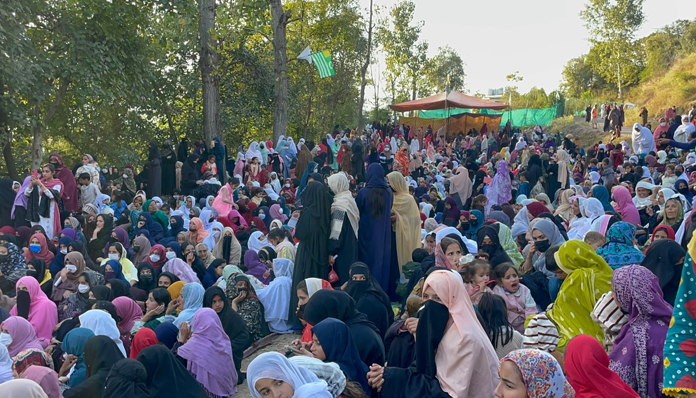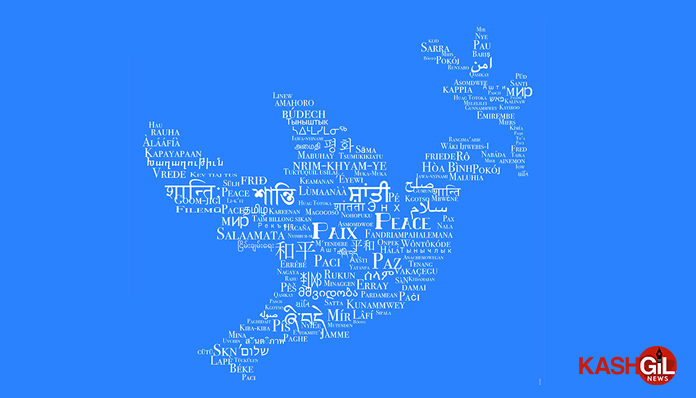
Like the rest of the world, International Mother Language Day is celebrated in Pakistan-administered Kashmir on February 21. However, the Pahari language spoken in the region is losing its importance day by day, which has raised deep concerns among socio-nationalist circles.
According to locals, there was a time when teachers in schools in the region used to lecture students in their mother tongue, Pahari, and children used to communicate with each other in their mother tongue. In schools as well as at home, parents used to communicate with their children in their mother tongue and encourage them to learn it. But with time, this situation changed significantly and the national language began to be preferred over the mother tongue.
In private educational institutions as well as in the government sector, students and teachers were urged to use the national language instead of the mother tongue, due to which local languages went into the background. It was seen that even at home, parents started preferring Urdu and English with their children instead of local dialects.
In this regard, Khurshid Akash, a citizen of Bagh city in Pakistan-administered Kashmir, said that when he was a student, the use of Pahari language was common among teachers and students in schools. According to him, the same tradition existed at home as well and parents considered it important to teach their children their mother tongue. However, he expressed regret over the current situation and said that today Pahari language is losing its importance and the younger generation, especially the new generation, is forgetting their mother tongue.
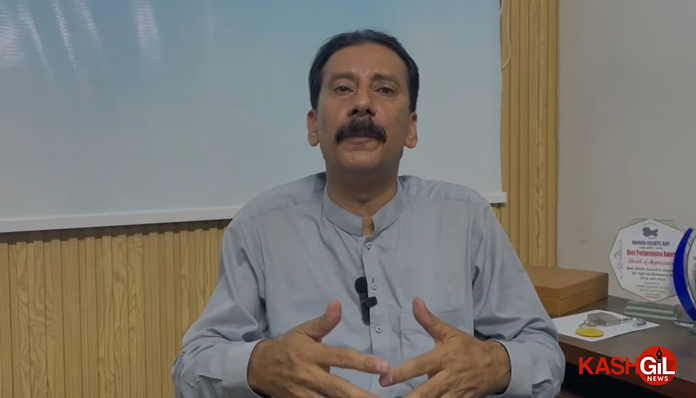
On the other hand, on the occasion of International Mother Tongue Day, nationalist leader Abidin Shaheen said that the imperialist forces in Jammu and Kashmir are systematically ignoring local languages and dialects.
In his message to the nation, he said that if mother tongues are not given importance, our culture and identity may be in danger.
He appealed to the people to promote their mother tongues, ensure the use of local languages in homes and educational institutions so that the coming generations remain connected to their culture, traditions and language.
Share this content: