Diamer/Kashgil News
The construction of the Diamer-Bhasha Dam in Pakistan-administered Gilgit-Baltistan has posed a serious threat to the valuable historical heritage of Gilgit-Baltistan.
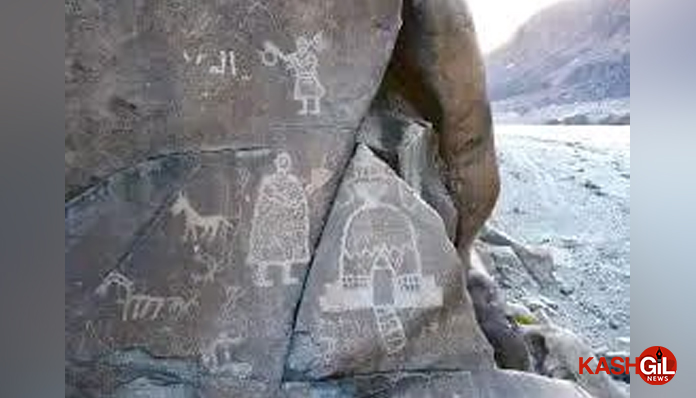
According to sources, after the completion of the dam, about 38,000 ancient rock art pieces are likely to be submerged.
There are an estimated 57,000 rock art pieces in the area stretching from Raikot to Shatial, which reflect the region’s thousands of years-old civilization, religious traditions and historical journey.
According to archaeologists, these impressions are important landmarks of the Buddhist era and the ancient Silk Road era, which are considered the historical identity of Gilgit-Baltistan.
Local social circles say that even before this, about 5,000 historical impressions have been lost during the construction of roads and the process of extracting stones from the mountains. If timely protective measures are not taken, the remaining relics may also be lost forever.
The public and experts have demanded that the affected rock arts be immediately digitally documented, important impressions be moved to safe locations, and the area be given legal protection by declaring it a formal national cultural heritage site.
Civic groups have warned that if this historical asset is not protected today, future generations will lose an important chapter of their history and identity.
Share this content: