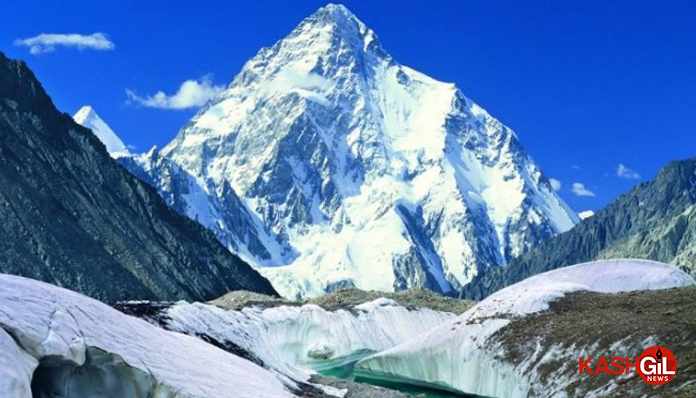
Climate change and severe weather in Gilgit-Baltistan have made the Karakoram peaks extremely dangerous, causing severe difficulties in the summer mountaineering season this year.
According to a report by the daily Dawn, no climbers were able to summit the world’s second-highest peak, K2, and Gasherbrum-1 this summer due to continuous storms, heavy snowfall, avalanches and dangerous rock slides. In addition, about 40 foreign climbers’ expeditions to Gasherbrum-2, Broad Peak and Nanga Parbat also failed.
According to tour operators and the Alpine Club of Pakistan, more than 200 climbers attempted to climb K2, Broad Peak and Gasherbrum this season, but bad weather forced teams to be limited to 20 camps.
After the death of 10 foreign climbers, including Pakistani climber Sohail Sakhi, in an avalanche on Broad Peak on July 30, several teams on K2 and other peaks canceled their expeditions and joined search and rescue operations.
Only three foreign groups – Gasherbrum-II, a local team on Broad Peak and two teams – were able to summit Nanga Parbat at the start of the season (June).
Experts say global warming and rising temperatures have changed centuries-old weather patterns, making climbing on the 8,000-meter-high mountains of the Karakoram extremely uncertain and dangerous. The summer mountaineering season on the peaks of the Karakoram is now officially over and climbers are returning after unsuccessful expeditions.
Share this content: