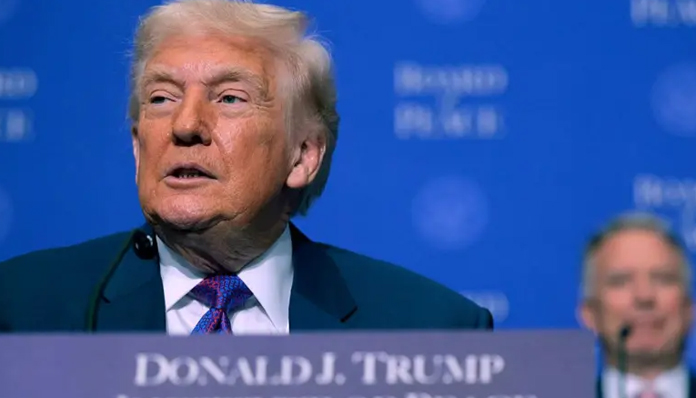
US President Donald Trump’s announcement of a possible blockade of Iranian ports has further increased tensions in the region.
Defense analysts say the move reflects Trump’s anger at preventing Iran from selling oil and the failure of negotiations.
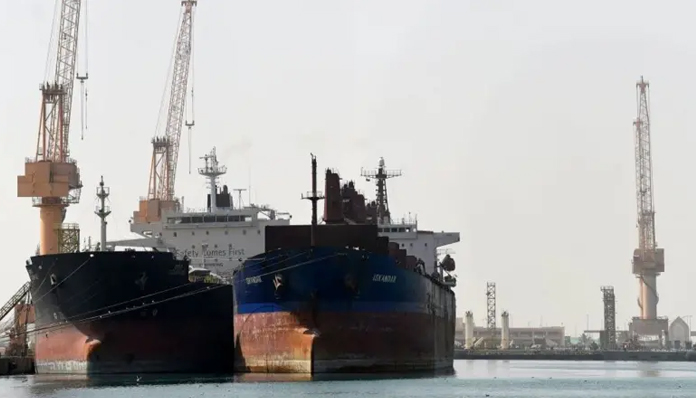
Speaking to BBC Breakfast, defense analyst Justin Crump said that if the US proposals are implemented, Iran will not be able to sell oil to its major buyers, especially China, which will increase pressure on Tehran.
According to him, “Both the US and Iran believe they have the upper hand over each other, and both sides are trying to prove that they are the ones who actually win in order to bring the other down.”
Crump added that although this situation will increase tensions, there was a positive aspect to the weekend talks, as “a lot of talk took place, which indicates that the parties are not closing the door to talks yet.”
Iran has issued several responses following the US announcement.
Iranian Foreign Minister Abbas Araqchi said that the two countries were “very close” to an agreement during peace talks in Pakistan, but Washington’s blockade statements complicated the situation.
“We have expressed surprise at the high demands and the changing situation,” he said.
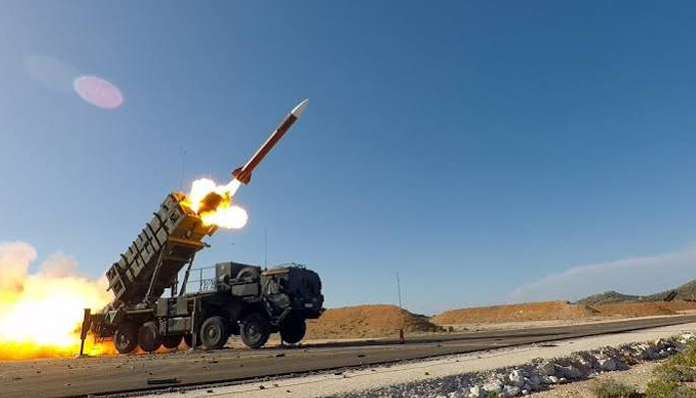
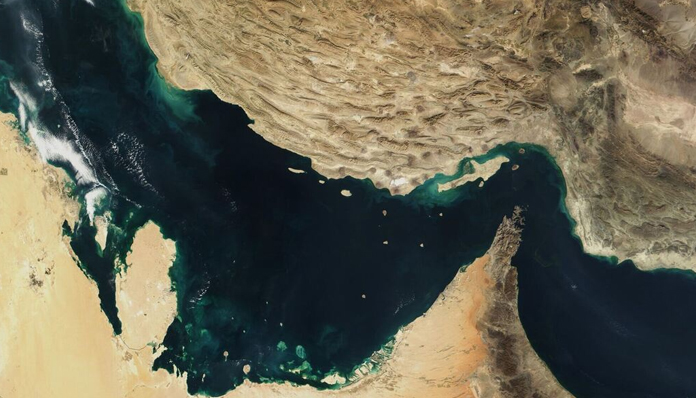
On the other hand, the Iranian Navy has warned that any military ship approaching the Strait of Hormuz will be dealt with “extremely harshly.”
“No foreign military vessel approaching our territorial waters will be tolerated,” a navy spokesman said.
Analysts say the US blockade, if implemented, would have a profound impact not only on Iran’s economy but also on global energy markets.
The potential for military tensions in the region has increased following Iran’s harsh response, while diplomatic sources say communications between Washington and Tehran are currently cut off.
Share this content: