The scenes emerging from the emergency ward of the Kotli District Headquarters Hospital have highlighted the clear gap between the claims and the ground realities in the health system. In a few hours of observation, while on the one hand the hard work of the medical staff was visible, the deteriorating condition of cleanliness and facilities raised several serious questions.
The doctors and paramedical staff present in the emergency ward appeared dynamic despite limited resources. Providing immediate medical assistance to patients, transferring them from one place to another and dealing with emergency situations shows the professional responsibility and dedication of the staff.
These are the silent services on which the entire system seems to be based to some extent.
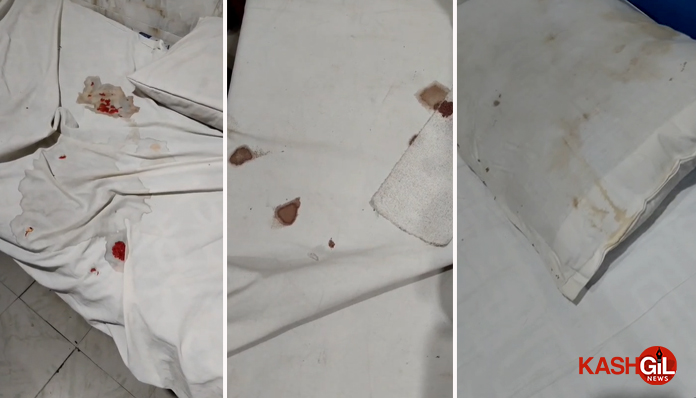
On the other hand, the cleanliness arrangements in the emergency ward appeared to be extremely poor.
Old and bloody bed sheets, dirty pillows, garbage on the floor and a lot of mosquitoes are indicating an environment where the risk of infection also increases along with treatment.
According to experts, poor sanitation in hospitals can prove to be dangerous not only for patients but also for staff.
According to sources, only 35 percent of the permanent staff in the hospital is on duty, while the rest are serving on a voluntary basis.
If these figures are correct, it is not just a shortage of manpower but also a question mark over management priorities and policies.
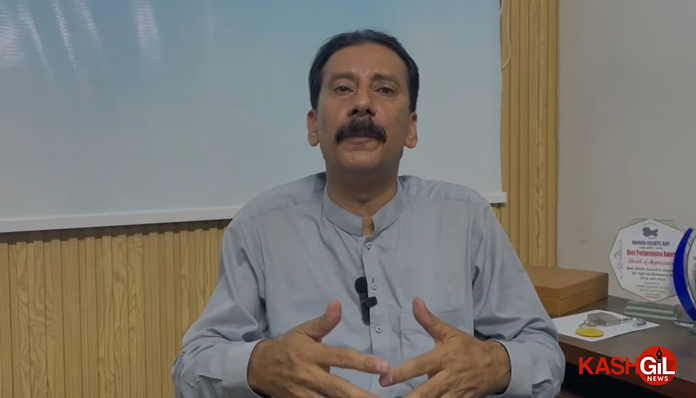
According to the Medical Superintendent (MS) of the District Headquarters Hospital, two people are present in the emergency ward for cleaning round the clock. He says that due to the high rush of patients, the cleanliness situation sometimes gets affected.
All this situation raises a fundamental question that whether the cleanliness, sanitation and availability of staff in a sensitive sector like emergency are up to the standard required by an effective and safe health system?
These scenes from the emergency ward are a reminder of the fact that patients have the right not only to treatment but also to a clean, safe and dignified environment.
It remains to be seen whether the relevant authorities will pay attention to this or whether these issues will continue to be ignored.
Share this content: