A preliminary deal to extend the ceasefire between the US and Iran has been reached, but US officials say it still needs final approval.
US officials say negotiators from both countries have agreed on a framework that would extend the ceasefire for another 60 days and begin talks on the future of Iran’s nuclear programme during that period.
Officials have told the BBC that the new ceasefire deal has not yet been approved by President Donald Trump or the Iranian leadership.
The development comes as tensions in the region are rising again. Iran’s Revolutionary Guards say they have targeted a US base in the region in response to recent US air strikes on southern Iran.
In recent days, both the US and Iran have accused each other of violating the delicate ceasefire.
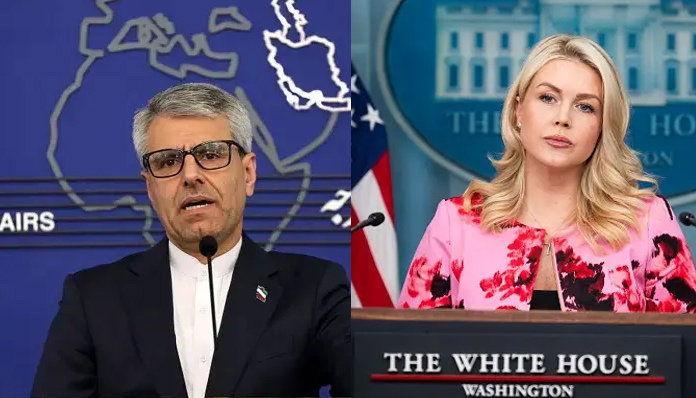
Iran has not confirmed the White House statement.
On Wednesday, Iranian state media published some of the unofficial draft, which it described as a 14-point memorandum of understanding.
The report said that under the proposed draft, the United States would end its naval blockade of Iranian ports, withdraw US forces from near Iran, and restore civilian maritime traffic in the Strait of Hormuz, which would be managed by Iran and Oman.
About a third of the world’s liquefied natural gas and oil pass through the vital shipping lane, and its closure has disrupted global energy trade.
However, the White House rejected the alleged draft, calling it “complete fabrication.”
Last week, both sides signaled progress toward a deal, prompting speculation that an announcement was expected soon.
Since the ceasefire came into effect on April 8, President Trump has repeatedly said that the two countries are close to a deal, but no definitive progress has been made.
For example, talks in Islamabad a few days later also failed to produce a concrete result.
On almost every occasion, and even in recent days, Trump and other US officials have made it clear that if diplomatic efforts fail, the “second option” – military action – is still an option.
Last week, Trump said that he was just an hour away from ordering another strike on Iran, but did not do so at the request of allies.
At a cabinet meeting on Wednesday, Trump said that talks were ongoing, but that Iran’s offer had not yet reached an acceptable level and more work remained.
It is not clear what progress has been made in the next 24 hours or when, or even if, President Trump will approve the proposed deal.
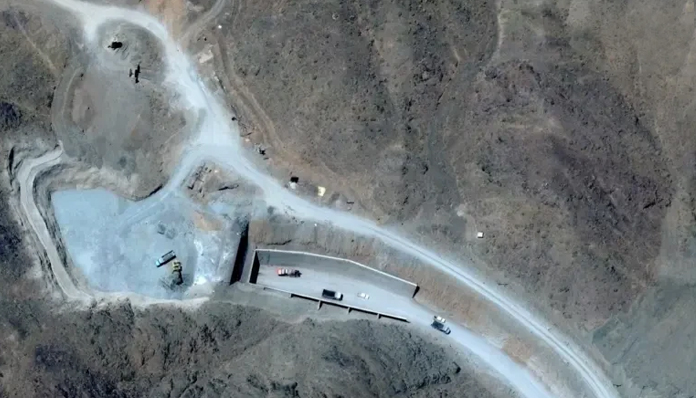
However, if the ceasefire is extended, the two countries will have the opportunity to discuss in detail complex issues, especially Iran’s nuclear program and its stockpile of enriched uranium.
Trump had previously suggested that the United States could take possession of the uranium or work with Iran to convert it to a lower grade at a third location.
According to the American news agency Axios, Trump has been briefed on the proposed deal, but he did not immediately approve it and asked for a few more days to consider it.
The confirmation of the report by American sources could indicate that the two countries are closer to an agreement than before, although final progress is still to be made.
According to reports, under the deal, shipping in the Strait of Hormuz will be able to continue unhindered, while Iran will have to remove mines from the route within 30 days.
In return, the US could lift its blockade and ease sanctions to allow Iran to resume oil sales.
US Treasury Secretary Scott Besant declined to confirm the deal at a White House briefing, saying that “it’s not right to say anything definitive before the president, that’s a decision he has to make.”
Share this content: