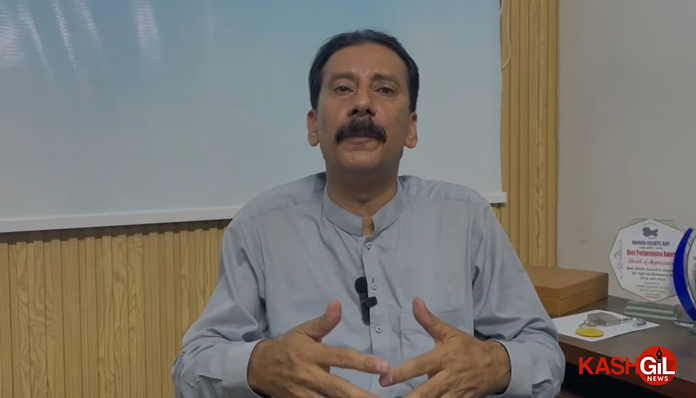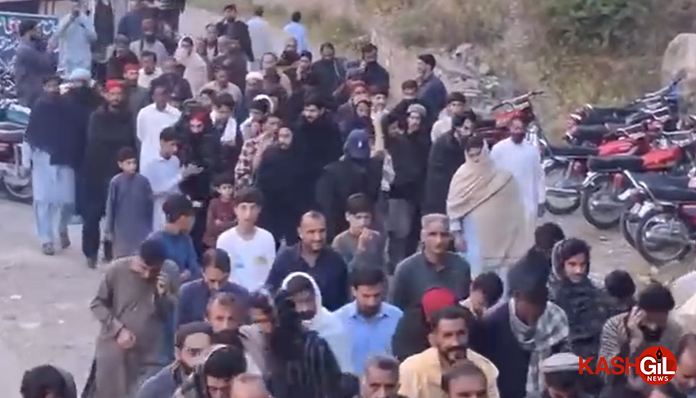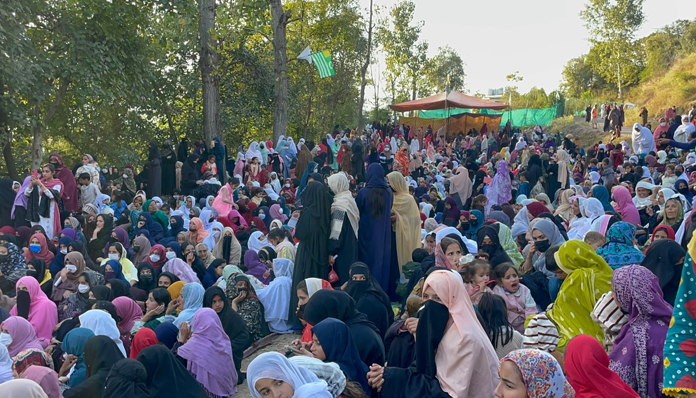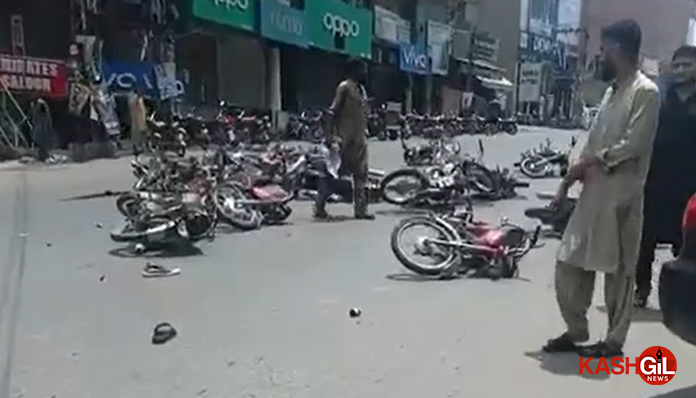
The Jammu Kashmir Human Rights Observatory (JKHRO) has submitted an urgent memorandum to the UN High Commissioner for Human Rights, Mr. Volker Türk, at the UN Office in Geneva against the unprovoked firing, shelling and loss of life by security forces on a peaceful long march of the Jammu Kashmir Joint People’s Action Committee (JAAC) in Rawalakot city of Pakistan-administered Kashmir.
The memorandum calls for immediate and effective preventive and humanitarian intervention by the international body on the alarming situation in the region.
According to the submitted document, a preliminary list of 15 people killed in indiscriminate firing by forces on Rawalakot and the long march route on July 27, 2026 has been provided, while a total of 17 deaths have been reported, including 2 other unidentified deaths.
The organization has clarified that this death toll is not yet final and its further verification is underway. In addition, according to initial reports, more than 80 people have been injured, and according to eyewitnesses, the number may be even higher.
The document calls on High Commissioner Volker Turk to intervene immediately for the following measures:
- Make a public appeal for an immediate cessation of firing and the use of live ammunition against peaceful civilians.
- Activate the UN Resident and Humanitarian Coordinator in Pakistan (Muhammad Yahya) and the UN Country Team on an emergency basis.
- Ensure immediate medical assistance for the injured and access to routes on humanitarian grounds.
- Press for the immediate restoration of internet, mobile and telephone services in Rawalakot and the affected areas.
- An OHCHR assessment mission or special rapporteurs should be sent to Rawalakot immediately to conduct an independent investigation of the facts.
- Facilitate meaningful and credible dialogue between the relevant authorities and representatives of the People’s Action Committee to prevent further loss of life.
The memorandum warns the UN that the situation could take a more dire turn due to large-scale public gatherings, heavy deployment of forces, communication blackouts and disruption of emergency medical assistance.
The letter states that the question now is not whether the situation will worsen or not, but whether the UN system will act quickly enough to prevent further loss of life.
Share this content: