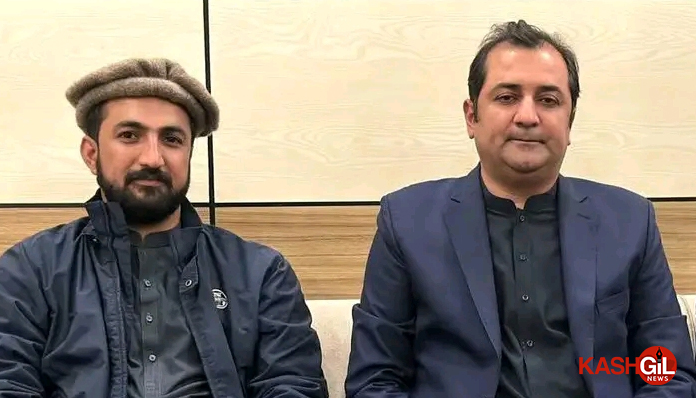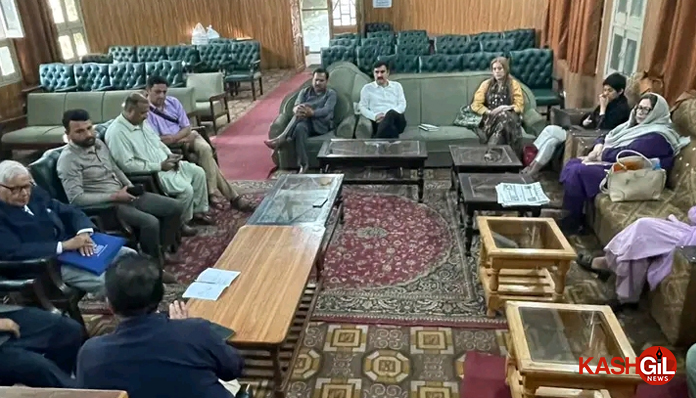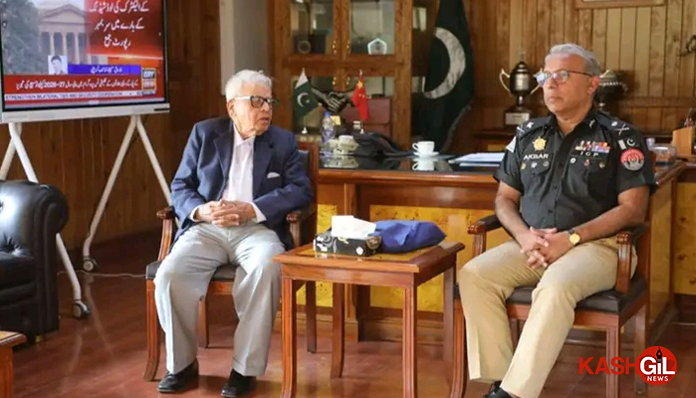
A delegation from the Human Rights Commission of Pakistan (HRCP) met with the Inspector General of Police (IGP) Gilgit-Baltistan, Dr. Akbar Nasir Khan (PSP), at the Central Police Office. During the meeting, detailed discussions were held on significant issues, including the Anti-Terrorism Act, incidents of suicide among women, police conviction rates, cybercrime and digital fraud, Safe City projects, female police representation, gender-based violence, the protection of women and children, and honor killings.
The IGP provided a briefing regarding the reporting of suicide incidents, the preservation of evidence, and forensic facilities. He noted that accurate figures often do not surface due to limited police access in remote areas and the tendency to conceal certain incidents at the family and societal levels.
Regarding cybercrime, it was stated that while numerous cases of online fraud and skimming fall under the jurisdiction of the National Cyber Crime Investigation Agency, there is a need to establish a dedicated cybercrime unit within the Gilgit-Baltistan Police and to further empower the force.
The delegation was apprised of the Safe City projects in Gilgit and Skardu, as well as the proposed Safe City project for Hunza. They were also briefed on various measures taken to increase female police representation, including the allocation of a 10 percent quota in recent Counter-Terrorism Unit (CTU) recruitments. Regarding the protection of women and children, the Inspector General (IG) of Police stated that an ‘Aaghosh’ center has been established at the Women’s Police Station, while work is also underway to set up Women’s Facilitation Centers across various districts. He emphasized that the police maintain a zero-tolerance policy regarding harassment, violence, and child molestation.
During the meeting, a commitment was reaffirmed to strengthen cooperation among the police, civil society, and relevant institutions to ensure the protection of human rights, address issues faced by women and children, and effectively prevent crime.
Share this content: