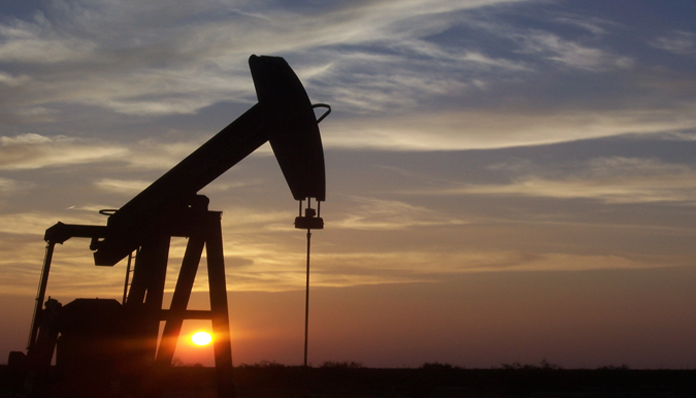
On April 2, 2026, the price of crude oil in the global market reached $109.37 per barrel, which is a significant increase in historical context.
According to experts, in 1947, oil prices were not fixed daily in the open market like today, but were under the control of large international companies and governments. During that period, the average price of crude oil was about $2.50 to $3.00 per barrel.
In the same year, the dollar was worth about Rs. 3.31 in Pakistan, which made the price of oil per barrel about Rs. 10. In contrast, today in 2026, the price of oil per barrel in Pakistan has reached about Rs. 24,000, which shows the effects of inflation and global conditions.
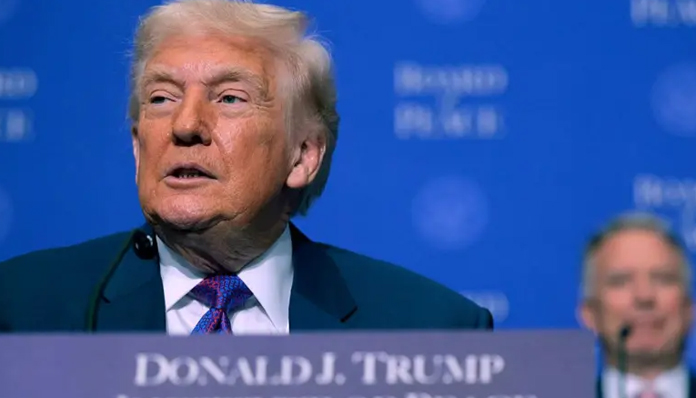
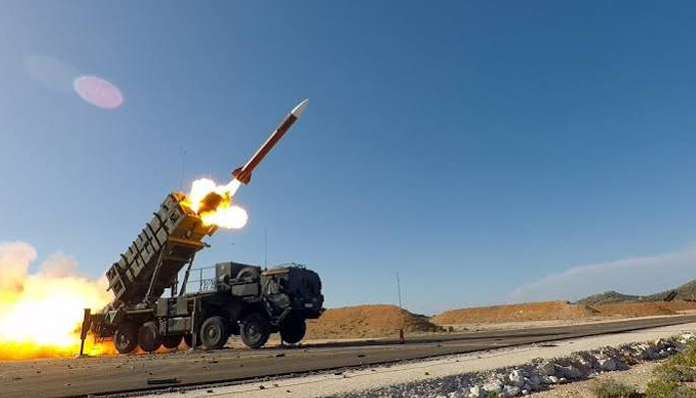
Historically, the major cause of the oil crisis in the 1970s was the Arab-Israeli war, which shook the global economy. Today, once again, tensions in the Middle East between Iran, the United States and Israel are causing oil prices to rise.
Economists say that the ongoing conflicts in the Middle East, increased global demand and supply chain problems are directly affecting oil prices. If the current situation continues, there is also a fear that oil will become more expensive in the future.
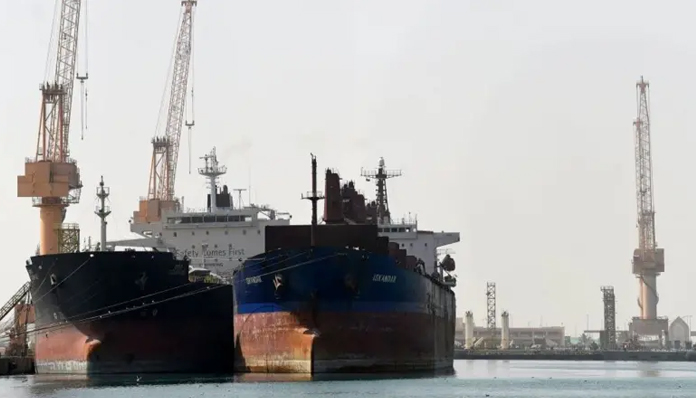
This situation is becoming a major challenge not only for the global economy but also for countries like Pakistan that rely on imported oil.
Share this content: