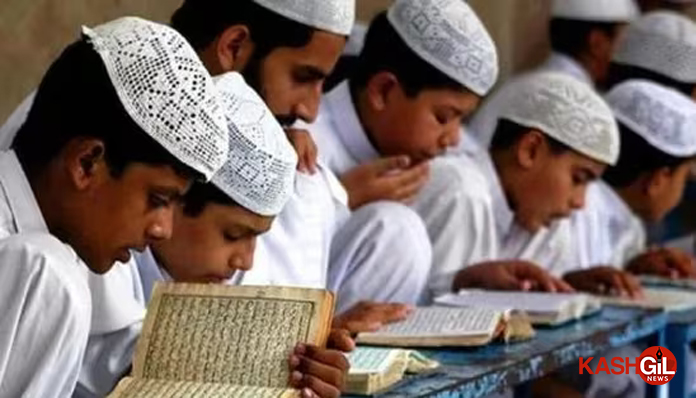
The government in Pakistan-administered Kashmir on Thursday introduced a comprehensive policy to ensure the safety of children studying in madrassas, under which new measures of monitoring, accountability and transparency have been made mandatory in religious educational institutions across the state.
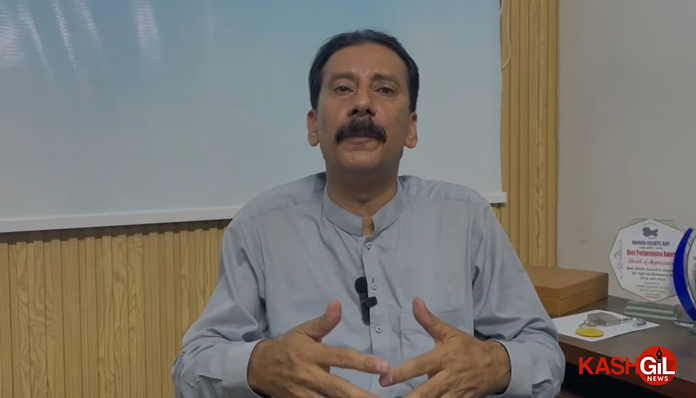
Announced by Minister for Religious Affairs, Endowments and Information Chaudhry Muhammad Rafique Nayyar, the policy is being implemented in light of the instructions of Prime Minister Faisal Mumtaz Rathore. The move comes in the wake of growing concerns regarding the safety of children in religious institutions in recent days.
According to the new policy, all madrassas have been directed to install quality CCTV cameras in classrooms, corridors, courtyards, offices and other important places, the recordings of which will be preserved for at least 30 days.
Along with this, a code of conduct has also been clearly formulated for the rights of students, teachers and staff, in which prohibited behaviors have been identified. Written approval of this code of conduct will be mandatory for all employees.
Confidential complaint boxes will be installed in every madrasa for registering complaints, which will be accessible only to authorized officers of the district administration. These officers will regularly review the complaints and ensure prompt action while keeping the identity of the affected persons confidential.
Surprise medical examinations of students will also be conducted under the policy, for which special teams will be formed under the leadership of District Health Officers. Medical and psychological support will be provided to the affected children along with immediate reporting of any suspected case.
Furthermore, it has been made mandatory for all teachers and Quranic madrasas to obtain teaching certificates from authoritative institutions, while a complete check of their character, credentials and past record will be carried out before appointment.
The minister clarified that the implementation of the policy will be jointly monitored by the district administration, education department and religious affairs department, while in case of violation, legal action can be taken against the concerned madrasa, including suspension or cancellation of registration.
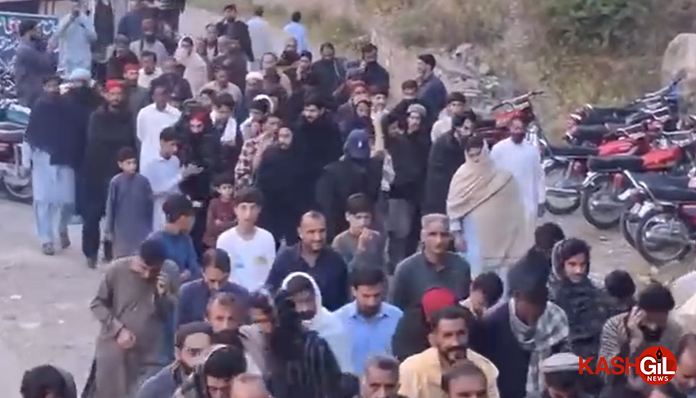
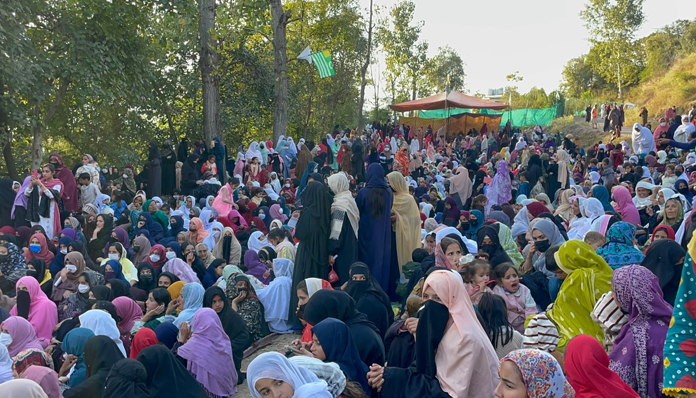
The policy comes at a time when the tragic incident of the alleged rape and death of a madrassa student in Kotli district on Sunday has raised serious public concern. The incident has exposed serious shortcomings in the current system of monitoring and child protection in religious institutions and highlighted the urgent need for an effective and integrated safeguarding framework.
Chaudhry Muhammad Rafiq Nayyar termed the move as a major milestone towards child protection, improving the quality of religious education and promoting transparency in the madrassa system.
Share this content: