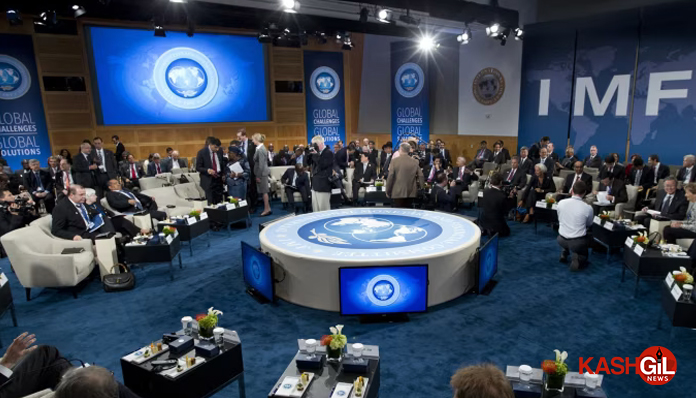
The International Monetary Fund (IMF) says that Pakistan’s economic growth has been supported by strong economic measures, but the Middle East war has cast uncertainty on the economic outlook as the impact of the Iran war may affect Pakistan’s economic targets.
The IMF has released a review report on Pakistan, which states that Pakistan’s economic growth rate has increased during the first six months of fiscal year 2026, foreign exchange reserves have increased, inflation has remained under control, and the current account has been balanced overall.
The IMF review report said that the impact of the war in the Middle East has cast uncertainty on Pakistan’s economic outlook in the short term, but it is not yet clear how it will affect the economy.
The IMF says that the Iran-US war may increase inflation.
According to the IMF, 81 percent of Pakistan’s imported fuel comes from the Gulf countries, while 55 percent of remittances, which are the most important source of Pakistan’s foreign exchange reserves, are also received from Pakistanis working in the Gulf countries.
According to the IMF, the war has had a negative impact on the economies of the Gulf countries and in these circumstances, the return of Pakistani manpower there may affect remittances.
Remittances sent from abroad are the most important source of foreign exchange for Pakistan’s external payments.
The IMF says that the government’s policies under the reform program have significantly improved the management of the economy and restored confidence, although there are difficult situations in the world, including the war in the Middle East, but inflation in the country has increased due to the increase in the prices of oil and other commodities at the global level.
The report says that the Iran war could affect Pakistan’s economic targets, which could potentially reduce Pakistan’s economic growth rate by up to 2.0 percent in the current fiscal year and up to 6.0 percent in the next fiscal year, and increase inflation by up to 1.5 percent.
Pakistan has achieved most of its targets for the current fiscal year, but the IMF has expressed concern over the failure to achieve tax collection and government expenditure targets.
The IMF has set eleven new management targets for Pakistan in the third review report under the IMF’s Extended Fund Facility. The IMF has imposed further conditions on Pakistan, saying that the next budget should be approved by the National Assembly under the IMF framework and transparency and autonomy should be brought to the National Accountability Bureau so that the accountability system is improved.
Share this content: